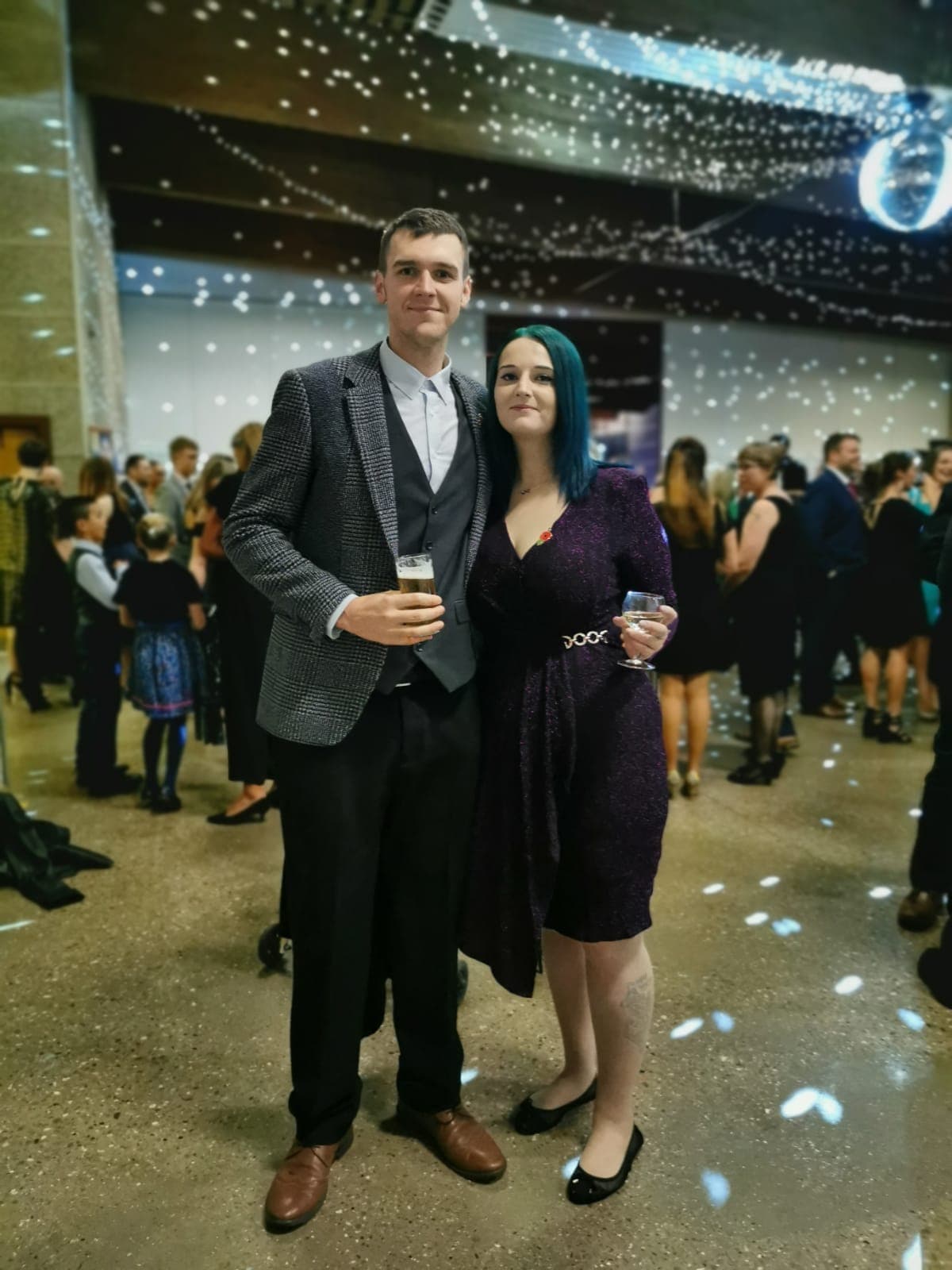
Thomas Dunning, is a mental health advocate sharing his various personal stories from suicide to recovery. He runs the website mentalhealthrunner.co.uk as a platform to share his tales and to break down the walls of mental health stigma and hopefully save lives of those suffering in silence. At his worst, he attended A&E twice in one night due to various attempts at his own life. Unexpectedly, he found running – a simple activity where he can lace up his trainers and go wherever the roads take him; this is where he made the discovery on how physical exercise benefits mental health. He is diagnosed with Post Traumatic Stress Disorder, Emotionally unstable personality disorder and Social Anxiety Disorder and is driven to help motivate and inspire the world to help break the silence, de-stigmatise and help others on their journey through the enormously diverse, quagmire of mental health.
Since his recovery, he is a Service User Governor for the Lincolnshire NHS, runs a Mental health running club, Mental health advocate, Media volunteer for Mind and Rethink charities, Sponsored runner through Brooks Running UK, and travels the UK as a mental health public speaker and consultant – all in his spare time while maintaining his profession as a mechanical engineer.
Currently working as a Trainee Psychological Wellbeing Practitioner, Amber Dunning has always been passionate about mental health and supporting others. Following her husband’s battle with suicide attempts and psychosis, Amber admits that caring became her identity and one which made her feel invisible and is now on a journey of self-discovery, reigniting her love for gigs and comedy, as well as a mission to help give a voice to carers through public speaking and, of course, this book.
Authors Thomas & Amber say, “Having lived through this, we thought it was just us that it happened to, we didn’t realise just how many other people were going through it too. Over the last few months we’ve heard from those suffering with mental health issues and also carers who feel so alone. We wanted to tell our story so that people wouldn’t feel isolated or that there wasn’t an end to what they were suffering.
If we can help just one person, then sharing our story has been enough, but we hope to inspire others to reach out, open up and talk more openly.”